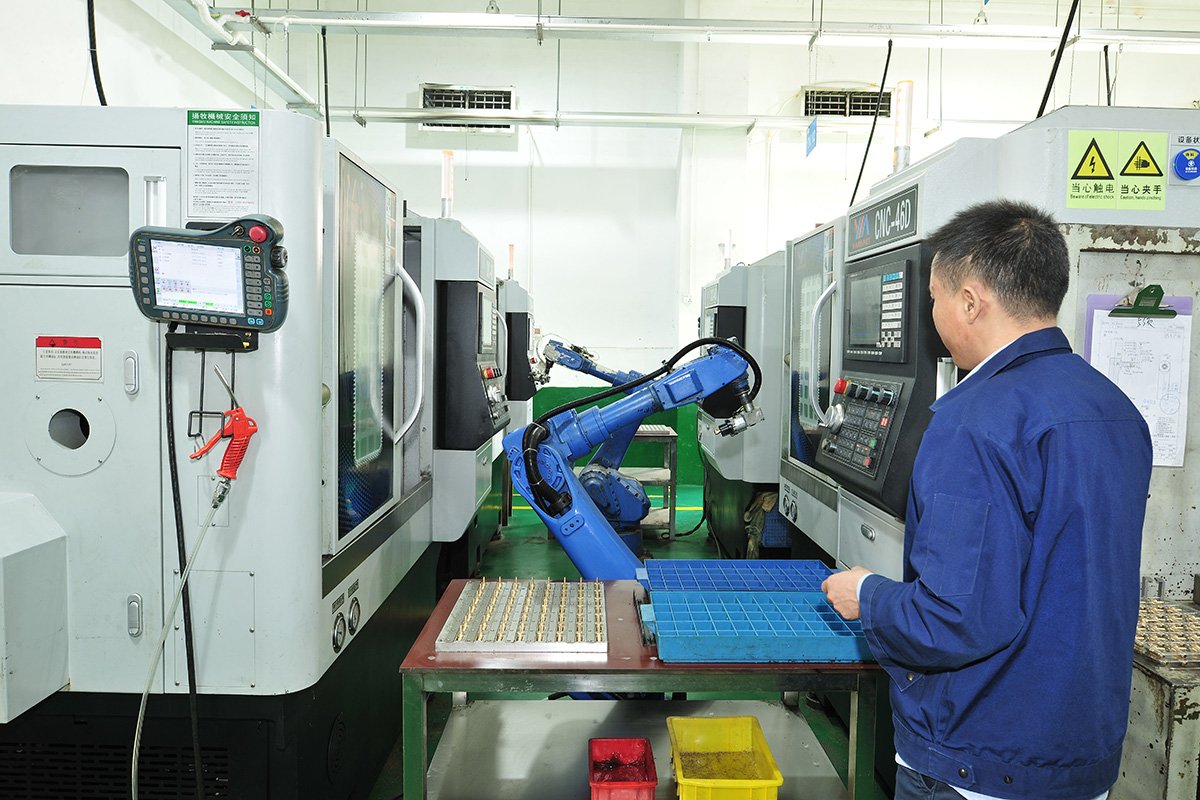
In the modern era of precision engineering, CNC machining has transformed the way metals like titanium and stainless steel are shaped, treated, and finished. Both materials are known for their strength, corrosion resistance, and complex machining characteristics, requiring advanced techniques to achieve optimal results.
From titanium machining enhanced by thermal oxidation to stainless steel CNC machining complemented by pickling and passivation, these combined processes define the next level of quality and performance in metal component manufacturing.
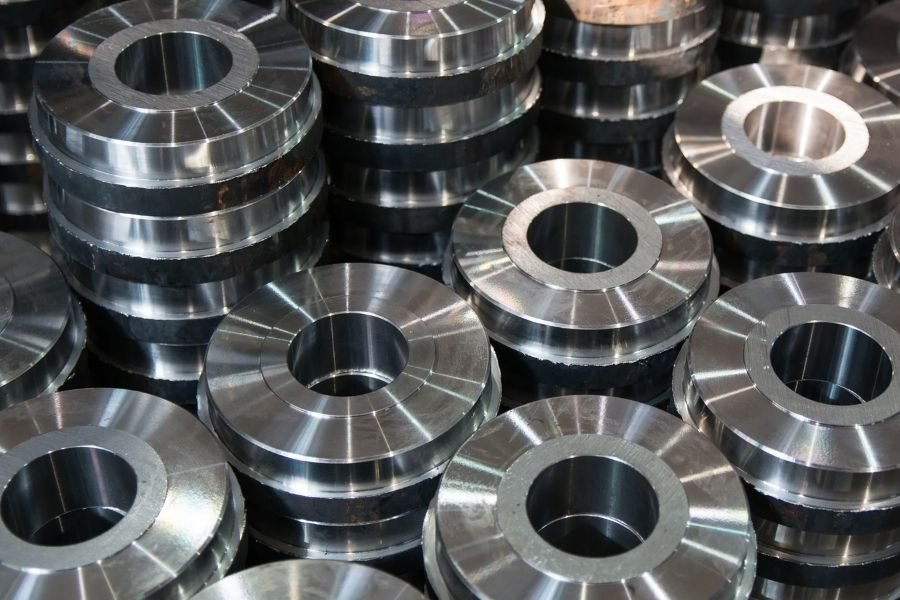
Titanium Machining: The Challenge and the Craft
Titanium is widely used in aerospace, medical, and automotive industries due to its exceptional strength-to-weight ratio and biocompatibility. However, machining titanium is far from simple.
Titanium’s low thermal conductivity and high chemical reactivity mean it easily builds up heat and wears out cutting tools quickly. Precision CNC machining, therefore, requires a strategic approach to ensure both accuracy and tool life.
Key considerations in titanium CNC machining include:
- Using carbide or PCD cutting tools for extended durability
- Applying high-pressure coolant systems to dissipate heat
- Employing low cutting speeds and high feed rates to minimize friction
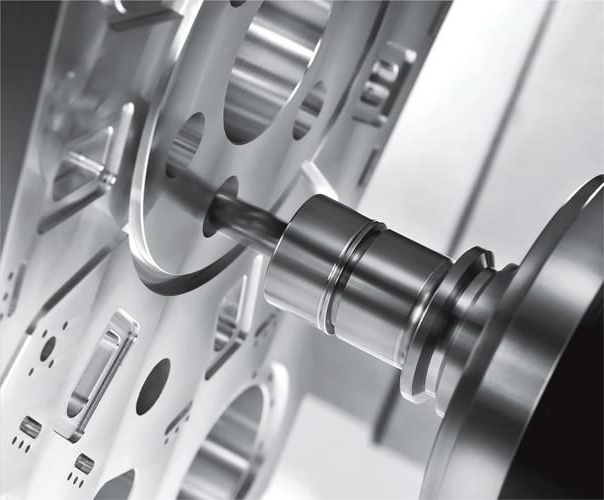
- Utilizing 5-axis CNC machines for complex geometries
These techniques allow manufacturers to produce intricate titanium components—such as aerospace fasteners, orthopedic implants, and performance engine parts—with extreme precision and repeatability.
Thermal Oxidation: Enhancing Titanium’s Surface Strength
After machining, titanium often undergoes thermal oxidation, a specialized heat treatment process that forms a thick, stable oxide layer on the surface.
This oxide layer—primarily composed of titanium dioxide (TiO₂)—dramatically improves the metal’s hardness, corrosion resistance, and wear performance. The process typically involves heating the titanium component in an oxygen-rich environment at temperatures between 600°C and 800°C.
Benefits of thermal oxidation for CNC-machined titanium:
- Increased surface hardness(up to 1000 HV)
- Superior wear and abrasion resistance
- Enhanced corrosion protection in harsh or marine environments
- Improved biocompatibility for medical-grade components
- Aesthetic appeal, as the oxide layer can produce vibrant color variations
When combined with CNC precision, thermal oxidation ensures that titanium components not only meet mechanical tolerances but also deliver extended service life in demanding applications.
Stainless Steel CNC Machining: Strength Meets Precision
Stainless steel remains one of the most popular materials for CNC machining because of its versatility, mechanical strength, and corrosion resistance. Common grades like 304, 316, and 410 stainless steel are used across industries ranging from food processing to energy systems.
However, stainless steel CNC machining requires skill and precision due to its work-hardening nature and tendency to retain heat during cutting.
To overcome these challenges, CNC engineers focus on:
- Optimized cutting parameters with moderate speeds and aggressive feed rates
- Sharp, coated cutting tools(e.g., TiAlN or TiCN) to prevent galling
- Coolant optimization to minimize thermal deformation
- Vibration control to achieve dimensional accuracy
Through advanced multi-axis CNC milling, turning, and drilling, manufacturers can create everything from valve bodies and medical instruments to structural brackets and automotive components, maintaining perfect geometry and surface finish.
Pickling and Passivation: Essential Finishing for Stainless Steel
Even the most precisely machined stainless-steel component can lose its corrosion resistance during manufacturing. Processes like cutting, welding, or grinding can introduce contaminants or damage the protective oxide layer. That’s where pickling and passivation come in.
Pickling
Pickling is a chemical cleaning process that removes oxides, scale, and welding discoloration from the stainless-steel surface. Typically, it involves the use of acid-based solutions such as nitric-hydrofluoric acid to restore the surface’s purity and luster.
Passivation
Passivation follows pickling and is designed to rebuild the chromium oxide (Cr₂O₃) passive layer that protects stainless steel from corrosion. By immersing parts in a nitric or citric acid solution, contaminants like iron are removed, allowing a uniform oxide film to reform naturally.
Benefits of Pickling and Passivation in CNC stainless-steel machining:
- Enhanced corrosion resistance
- Improved surface cleanliness and brightness
- Elimination of free iron and contaminants
- Extended component lifespan
- Compliance with ASTM A967 / A380 standards
For industries like pharmaceuticals, food processing, and marine engineering, these finishing processes are essential to ensure hygiene, safety, and longevity.
Integrating Surface Treatments into CNC Workflows
In high-performance manufacturing, machining and surface finishing are no longer separate steps—they’re integrated into a single production ecosystem.
For instance, a titanium aerospace bracket may undergo CNC milling followed by thermal oxidation, while a stainless-steel valve component could move directly from CNC turning to pickling and passivation.
This seamless integration provides:
- Consistent quality control throughout production
- Reduced lead time and rework
- Superior dimensional accuracy even after finishing
- Tailored material performance based on end-use requirements
By designing the machining workflow around material-specific finishing processes, manufacturers can achieve optimal results for both functionality and durability.
Applications Across Industries
The combination of titanium machining + thermal oxidation and stainless steel CNC + pickling & passivation spans a wide range of industries:
| Industry | Titanium + Thermal Oxidation | Stainless Steel + Pickling & Passivation |
|---|---|---|
Aerospace |
Turbine components, fasteners |
Fuel systems, structural joints |
Medical |
Implants, surgical tools |
Sanitary instruments, lab equipment |
Automotive |
Engine valves, exhaust parts |
Brackets, shafts, precision fittings |
Marine |
Corrosion-resistant fasteners |
Valves, pumps, housings |
Energy |
Heat exchangers, sensors |
Piping, pressure vessels |
Innovation in Surface Treatment and Sustainability
Sustainability and environmental responsibility are becoming more important in modern CNC manufacturing. Thermal oxidation and passivation processes are getting better at cutting down on chemical waste and energy use.
For instance:
Controlled vacuum furnaces can now be used for thermal oxidation to cut down on emissions.
Citric acid passivation is a more environmentally friendly option than nitric acid because it gets rid of dangerous byproducts.
These eco-friendly new ideas fit with the industry’s move toward cleaner ways of making things while still making products that work as well as they do.
Conclusion
In conclusion, surface science and CNC precision come together.
Every step in CNC manufacturing, from the precise machining of titanium to the protective power of stainless steel passivation, contributes to the long-term performance and reliability of the product.
Pickling and passivation restore the corrosion resistance and cleanliness of stainless steel, while thermal oxidation enhances the strength and wear resistance of titanium parts. Together, they show how CNC technology and surface engineering work together to make parts that last longer and are of better quality.
As industries change, these new machining and finishing methods will keep setting the bar for what’s possible in modern precision manufacturing.
Complete Guide to Understanding Pipe Flanges
Advanced CNC Machining for Automotive and Industry