Introduction
As manufacturing around the world changes, industries like automotive and industrial equipment are under more and more pressure to provide higher precision, shorter lead times, and consistent quality, often at a lower total cost. Integrated CNC machining solutions are slowly taking the place of traditional machining models that relied on many different suppliers and long production cycles. These new solutions use advanced equipment, flexible production strategies, and quality control based on data.
Automotive machining, making parts for industrial equipment, surface grinding, 5-axis CNC machining, and on-demand manufacturing are all at the heart of this change. These abilities make up a modern machining ecosystem that can handle complex shapes, tight tolerances, and market demands that change quickly.
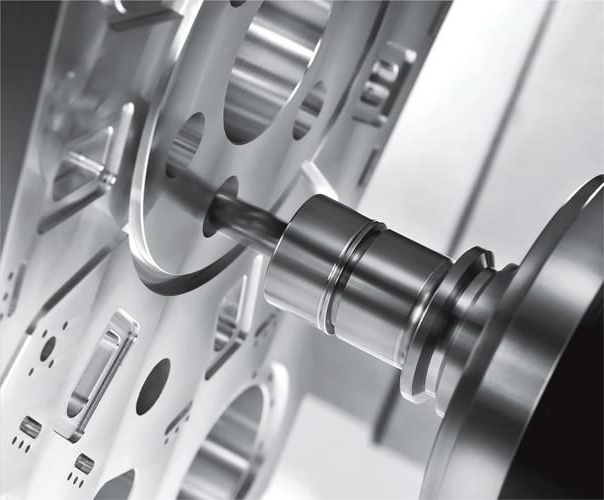
Automotive Machining: Accuracy for Parts That Are Important for Safety
Automotive machining is one of the hardest parts of CNC manufacturing. Parts that go into powertrains, steering systems, braking assemblies, suspension modules, and electric vehicle platforms must have very precise dimensions and be able to handle dynamic loads without breaking.
CNC machining is very important for making car parts out of materials like aluminium alloys, carbon steel, stainless steel, and high-tech plastics. High repeatability makes sure that performance stays the same across large production volumes, and advanced process control keeps variations to a minimum that could affect safety or durability.
More and more, modern automotive machining supports:
- Lightweight aluminium parts for electric vehicles
- Housings and brackets with high precision
- Parts for the gearbox and drivetrain
- Mounts for sensors and structural supports
Manufacturers can meet both high-volume and low-to-mid-volume needs without sacrificing quality by combining CNC turning, milling, and multi-axis machining.
Parts for industrial equipment: made to last and be strong
Parts for industrial equipment are often made to last a long time in tough working conditions, unlike parts for cars. These parts might have to deal with heavy loads, vibration, heat, corrosion, or rough conditions. Because of this, machining strategies need to put strength, reliability, and dimensional stability first.
- Parts for industrial equipment often include:
- Frames and structural parts for machines
- Housings for gears and seats for bearings
- Parts for hydraulic and pneumatic systems
- Custom-made mechanical parts
CNC machining lets you control complex shapes very precisely and works with a wide range of materials, such as forged steel, cast iron, stainless steel, and high-strength alloys. CNC-machined industrial parts become both mechanically strong and long-lasting when they are heat-treated and finished properly.
Achieving Tight Tolerances and a Better Finish with Surface Grinding
CNC milling and turning set the overall shape of a part, but surface grinding is often necessary to get the final tolerances and surface quality. Grinding is especially useful for parts that need to be flat, parallel, or very smooth.
Surface grinding is often used in cars and factories to:
- Surfaces for bearings
- Sealing interfaces
- Plates and spacers with high accuracy
- Parts that have been heat treated to make them harder
Surface grinding makes dimensions more accurate and makes surfaces smoother, which directly affects wear resistance, friction, and how well parts fit together. When added to the CNC machining process, grinding makes sure that important features meet the needs of high-performance applications.
5-Axis CNC Machining: Giving Designers More Freedom
5-axis CNC machining has become a key part of advanced manufacturing as product designs get smaller and more functional. 5-axis systems let you move along multiple axes at the same time, which lets you reach complicated surfaces and undercuts in one setup. This is different from traditional 3-axis machining.
5-axis CNC machining has several benefits for making parts for cars and industrial equipment:
- Less time spent setting up and more accurate results
- Ability to machine complicated shapes in one go
- More consistent surfaces on features with multiple angles
- Improved accuracy for parts with tight tolerances
This feature is especially useful for parts like engine parts, multi-face housings, complex brackets, and structural nodes. 5-axis machining makes things more efficient and keeps dimensions more consistent by cutting down on the need for multiple fixtures and repositioning.
On-Demand Manufacturing: Quickness and Adaptability for Today’s Supply Chains
In today’s fast-paced industrial world, having too much inventory and long lead times can be very risky for business. On-demand manufacturing solves this problem by making parts only when they are needed, based on current demand instead of long-term forecasts.
When you need it, CNC machining is especially useful for:
- Validation of prototypes and pre-production
- Production of low to medium volume
- Parts that can be replaced and spare parts
- Designs that are made to order or changed often
Manufacturers can quickly respond to changes in engineering without sacrificing quality by using digital workflows, standardised CNC programs, and flexible capacity planning. This method is especially appealing to automotive R&D teams and industrial OEMs that want to speed up the development process and lower the cost of holding inventory.
Combining CNC capabilities for full-cycle manufacturing
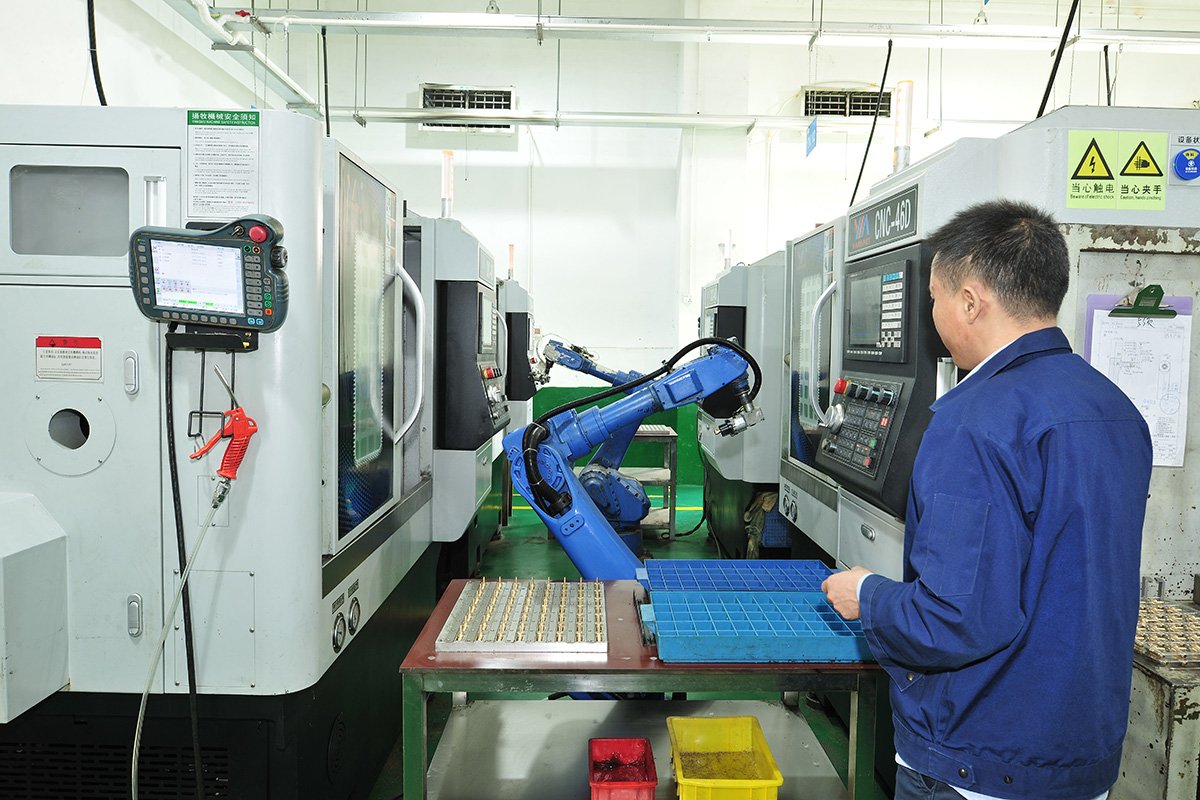
The real value of modern CNC machining isn’t in individual processes; it’s in bringing together many different capabilities into a single, smooth manufacturing workflow. When you put automotive machining, industrial equipment parts production, surface grinding, 5-axis CNC machining, and on-demand manufacturing all under one quality system, they work best.
An integrated approach gives:
- Better consistency in size across processes
- Less time spent handing off work and waiting for it to be done
- Better control over inspections and traceability
- Less likely for design and production to not match up
Every step, from choosing the raw materials to the final inspection, is in line with the needs of the parts and the customer.
CNC Machining: Quality Control and Inspection
For high-precision machining, strict quality control is needed. To make sure that automotive and industrial parts meet specifications, you need to use coordinate measuring machines (CMM), in-process inspection, and statistical process control (SPC).
Quality systems that follow ISO 9001, IATF 16949, or similar standards make sure that things can be done the same way every time and that they will work. These are very important for B2B customers looking for long-term manufacturing partners. Accurate inspection data also helps with ongoing improvement and cuts down on scrap and rework.
Conclusion: CNC Machining as a Competitive Edge
CNC machining has become a strategic asset for the automotive and industrial manufacturing sectors as things have gotten more complicated and delivery times have gotten shorter. Manufacturers can make precise parts that meet both technical and business goals by using advanced machining technologies, surface grinding, 5-axis capability, and on-demand production models.
For B2B customers, choosing a CNC machining partner with integrated capabilities means getting more than just parts. It means getting a dependable partner for their engineering and supply chain operations. CNC machining will always be a key part of performance, efficiency, and scalability as the automotive and industrial sectors keep coming up with new ideas.
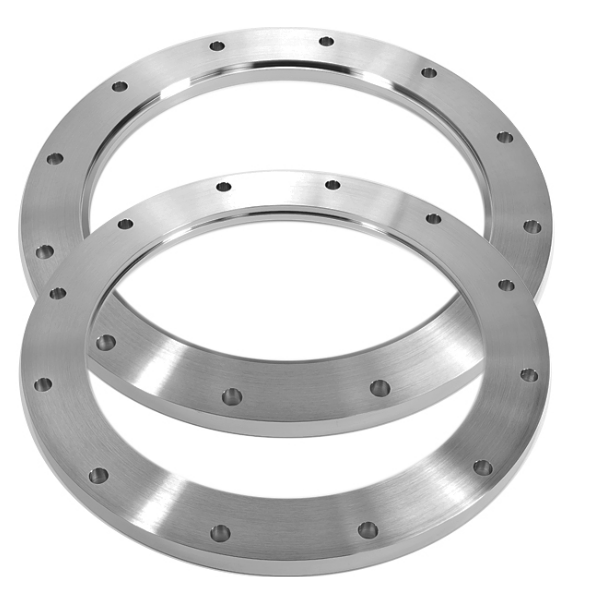
Complete Guide to Understanding Pipe Flanges
Advanced CNC Machining for Automotive and Industry