What are pipe flanges and how do they work?
Flanges are the second most common way to join things after welding. They provide a reliable way to connect pipe systems to the different parts of almost any processing system, such as valves, equipment, and other parts.
Using flange it’s not only increased its flexibility and made the disassembly process easier, but also enabled it to better access to the system components.
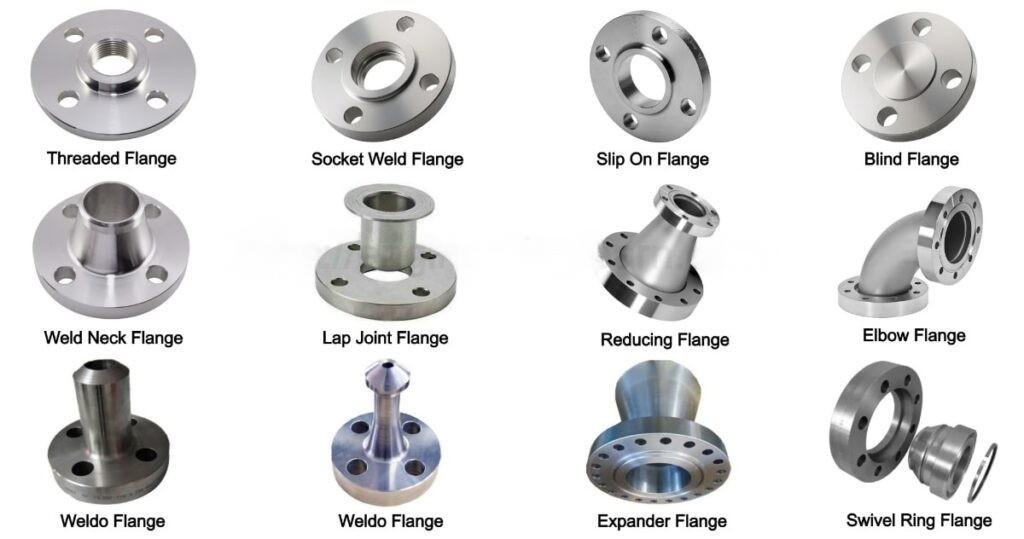
Definition and Structure:
A pipe flange is a round, flat, hollow disc-shaped part that is used in mechanical systems. Most of the time, metal is used, but plastic or composite materials can also be used in some cases. the hole in the middle for the pipe to go through, and the bolt holes around the edge. Mark the main parts, like the face of the flange, the holes for the bolts, and the bore (the hole in the middle).
The flange has a hole in the middle that is the same size as the pipe it is meant to connect to. There are evenly spaced bolt holes all the way around the edge of the flange. These holes for bolts are made to line up with the holes for bolts on a mating flange. The flange face is the flat surface that touches the gasket and the mating flange. It can have different finishes and shapes depending on the type of flange and what it needs to do. Some flange faces are smooth, while others have raised patterns or grooves that make the seal even better
The basic functions of a flange:
Connecting function: The flange is used to connect pipes, valves, pumps, and other equipment together to form a sealed connection, preventing fluid leakage and ensuring the effective flow of the fluid.
Easy maintenance: The flange connection makes the assembly and disassembly of the pipeline system much more convenient, facilitating maintenance and repair.
Withstanding pressure: The flange is capable of withstanding high pressure and high temperatures, ensuring safety and reliability under extreme conditions.
Common Flange Types and Characteristics
There are different types of flanges, and each one is made to meet certain needs based on things like pressure, temperature, and use.
Some of the most common types are:
- Weld Neck Flanges:
These flanges have a long, tapered hub that strengthens the connection, making them good for use in high-pressure and high-temperature situations.
- Slip-On Flanges: Slip-on flanges are a little bigger around than the pipe they connect to. Before welding, they are slipped over the pipe. People often use them in situations where the pressure is low and the stakes are low.
- Socket Weld Flanges: These flanges have a recessed area (the socket) that fits the end of the pipe, which makes it possible to fillet weld. They work well in small-bore piping systems and for jobs that don’t need a lot of pressure or heat.
- Blind Flanges: Blind flanges are solid discs that close off the end of a pipe system or vessel. People often use them to test pressure or to seal off the end of a pipe permanently.
Material for the flange
The flange’s material is very important because it affects how well it works, how long it lasts, and how well it works with different types of pipeline systems. These materials need to be able to handle the mechanical stress, changes in temperature, and chemical reactions that happen in the working environment.
Here are some of the most common kinds of flanges and what makes each one unique:
Stainless Steel
Steel that doesn’t get rusty Stainless steel flanges are popular because they don’t rust easily. Chromium is a part of stainless steel that makes a thin layer of oxide on the surface of the metal.
The oxide layer keeps the metal core from coming into contact with corrosive things in the environment, like acids, bases, salts, and water.
In the chemical industry, stainless steel flanges are the best choice because they can handle very corrosive chemicals like sulfuric acid, hydrochloric acid, and many organic solvents.These flanges can stop leaks caused by corrosion, which keeps the pipeline system safe and keeps harmful chemicals from getting into the environment.
In the food and drink industry, stainless steel flanges are very important for keeping things clean. The smooth surface of stainless steel flanges makes them easy to clean and sanitize, which keeps bacteria, mold, and other germs from growing.
Carbon Steel
Carbon-steel flanges are used a lot in general industry because they are cheap and strong.Carbon steel is an alloy of iron and carbon, with carbon content typically ranging from 0.05% to 2.11%. The addition of carbon to iron increases the strength and hardness of the metal.
One of the main advantages of carbon – steel flanges is their cost – effectiveness. Because they cost less than stainless steel or alloy steel flanges, they are a popular choice for projects where the budget is a big deal.
Carbon – steel flanges have sufficient strength to withstand the mechanical stresses in many pipeline systems. They can handle moderate pressures and temperatures, making them suitable for a wide range of general – purpose applications.
Alloy Steel
Steel flanges made of alloy steel have iron and carbon in them, but they also have chromium (Cr), nickel (Ni), molybdenum (Mo), vanadium (V), and manganese (Mn).
One of the key advantages of alloy – steel flanges is their high strength. The addition of alloying elements can significantly increase the tensile strength, yield strength, and hardness of the steel.
Which can make the alloy – steel flanges are more suitable for applications where the pipeline system is subjected to high – pressure and high – stress conditions. This means that alloy-steel flanges can be used in pipeline systems are under a lot of stress and pressure.
Alloy-steel flanges can also work very well in both hot and cold temperatures. These alloy-stee flanges are not only handle the heat. But also can handle high temperatures make sure that the exhaust pipes are connected properly and stop any leaks that could hurt the plane’s performance or safety.
Alloy-steel flanges are used in subsea pipelines and equipment for deep-sea exploration. The deep sea is a harsh place with low temperatures, high pressure, and seawater that eats away at things.
The application of flange
Oil and Gas Industry
For good reason, the oil and gas industry is one of the biggest users of pipe flanges. Pipeline systems held together by flanges are very important to the whole process, which includes getting oil and gas out of deep underground reservoirs, moving them over long distances, and refining them into different products.
Flanges are very important at the oil wellhead because they connect the wellhead equipment to the gathering pipelines. These flanges are need to can handle fluids under high pressure that often contain corrosive substances like sulfur and a lot of hydrocarbons. Weld-neck flanges are often used here because they are strong and seal well. They make sure that the oil and gas, which can be under pressures of up to several thousand pounds per square inch, are safely kept in the pipelines.
In the Chemical Industry
The chemical industry works with a lot of different chemicals, each with its own set of properties, such as how corrosive, reactive, and toxic it is. In this field, flanges must meet strict standards to make sure that these chemicals can be moved safely and quickly.
Stainless steel flanges are the most common type for very corrosive chemicals like sulfuric acid, hydrochloric acid, and nitric acid. These flanges are very resistant to corrosion, which stops the chemical from eating away at the connections in the pipeline and causing leaks. The pipelines that carry concentrated sulfuric acid from the production reactors to the storage tanks in a sulfuric acid manufacturing plant have high-quality stainless steel flanges.
In the Power Generation Industry
Power plants that use thermal, hydro, or nuclear energy need complicated pipeline systems to work well, and flanges are an important part of these systems. Steam is the main way that energy moves in thermal power plants.
Flanges are used in the penstock systems of hydroelectric power plants to move water from the reservoir to the turbines. These flanges must be able to support the high-pressure water flow and the forces that the water creates when it moves. Plants usually use either carbon-steel or alloy-steel flanges, depending on what they need. The flanges in the penstock system need to be very strong so that they don’t leak. If they do, the water pressure could drop and the power generation efficiency could go down. The safety and dependability of the pipeline systems are very important in nuclear power plants.
Conclusion
Pipe flanges are the unsung heroes of the industrial world because they literally hold the pipeline systems together. There are many different types of flanges, each with its own advantages that make it better for certain jobs. It not only tells you how long the flange will last, but also how well it will work in different situations.flanges must be worked properly not only for operational efficiency but also for more safety, environmental protection and economic viability. It’s very important for engineers and facility managers who work on designing, installing, and maintaining pipeline systems to know the details about flanges well.
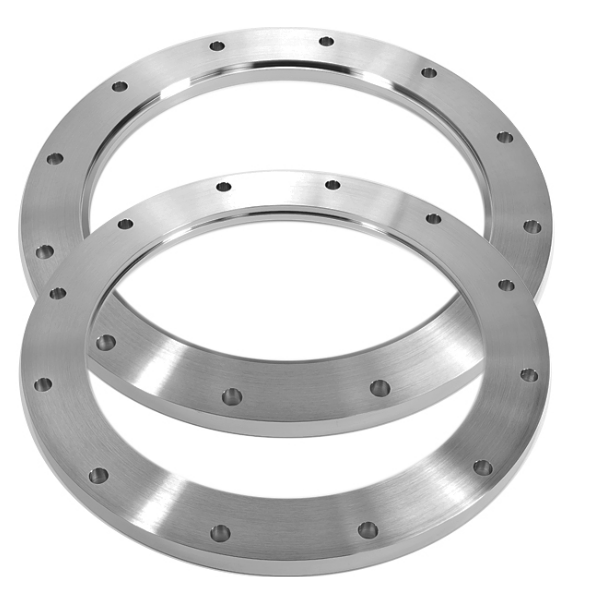
Complete Guide to Understanding Pipe Flanges
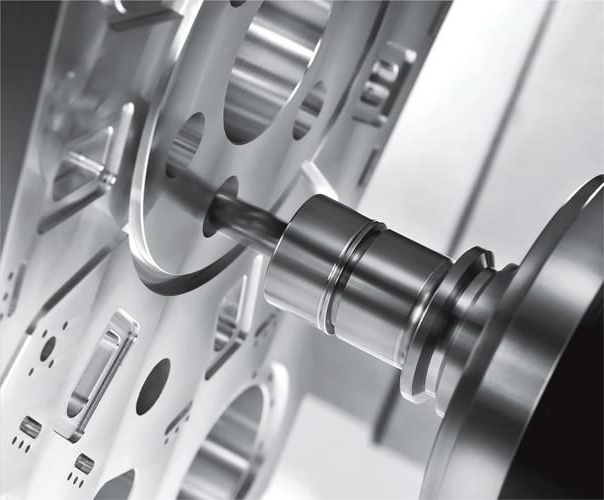
Advanced CNC Machining for Automotive and Industry