Hydraulic and pneumatic parts are very important in modern industrial systems because they provide motion, control, and power transmission. These parts turn energy into exact mechanical movements for everything from heavy machinery and automotive systems to robotics and industrial automation.
But to make sure they work well and last a long time even in tough conditions, these parts need to meet very strict tolerances and high quality standards. CNC machining does this perfectly. This article talks about how CNC machining helps make hydraulic and pneumatic parts, the common materials and parts used, and why manufacturers depend on CNC precision to keep systems working properly and safely.
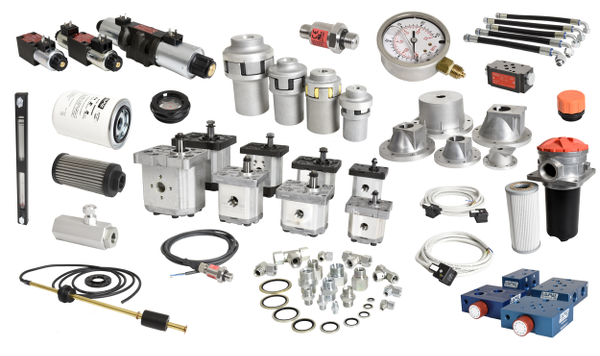
Understanding Hydraulic and Pneumatic Systems
1. What Are Hydraulic Components?
Hydraulic components use pressurized fluid, usually oil, to transmit energy and control movement. They are widely used in construction equipment, agricultural machinery, automotive systems, and aerospace applications.
Key hydraulic components include:
- Hydraulic cylinders – convert hydraulic energy into linear motion.
- Valves – regulate pressure and fluid flow.
- Pumps – deliver the required hydraulic pressure.
- Manifolds – distribute hydraulic fluid between pumps and actuators.
- Fittings and adapters – connect different elements of the system securely.
Because these components handle high pressures and continuous loads, their precision and surface finish have a direct impact on performance and safety.
2. What Are Pneumatic Components?
In contrast, pneumatic systems rely on compressed air or gas instead of liquid. They are commonly found in automation, packaging, and material handling industries.
Typical pneumatic components include:
- Air cylinders – provide linear motion powered by compressed air.
- Valves – control airflow direction and speed.
- Manifolds and fittings – distribute air efficiently across the system.
- Pressure regulators – maintain stable air pressure for smooth operation.
Compared to hydraulics, pneumatic systems are generally lighter, faster, and cleaner, but they require equally precise components to ensure leak-free performance.
Why CNC Machining Is Essential for Hydraulic and Pneumatic Components
Both hydraulic and pneumatic systems depend on the accuracy and durability of their components. Even the smallest deviation in size or surface finish can cause leaks, pressure loss, or premature wear.
1. Precision and Tight Tolerances
CNC machining offers micron-level precision, ensuring each component meets strict engineering specifications. For example:
- Hydraulic valve bodies require perfectly aligned ports and channels to ensure consistent fluid flow.
- Pneumatic manifolds need precise hole placement to avoid air leakage.
CNC machines can consistently achieve tolerances of ±0.01 mm, making them ideal for producing parts that must fit seamlessly into larger assemblies.
2. Complex Geometries
Modern hydraulic and pneumatic designs often feature complex internal passages, threaded ports, and multi-axis contours. CNC milling and turning enable the creation of these shapes with high repeatability.
5-axis CNC machining enables tool movement in multiple directions, allowing for the machining of multi-face components, such as valve blocks or cylinder heads, in a single setup. This improves both efficiency and accuracy.
3. Superior Surface Finish
In hydraulic systems, surface roughness directly affects fluid flow and sealing capability. CNC machining ensures consistent surface quality — often achieving finishes smoother than Ra 0.8 µm.
This is critical for:
- Preventing internal leakage
- Reducing friction and wear on seals
- Extending the service life of pumps and valves
4. Material Versatility
CNC machining supports a wide range of materials used in hydraulic and pneumatic manufacturing, such as:
- Aluminum – lightweight and corrosion-resistant, ideal for pneumatic manifolds
- Stainless steel – high strength and resistance to hydraulic fluid corrosion
- Brass – excellent for fittings and connectors due to its machinability
- Carbon steel – commonly used in heavy-duty hydraulic components
The ability to machine various metals and alloys gives manufacturers the flexibility to meet different performance and cost requirements.
5. Repeatability and Consistency
Hydraulic and pneumatic systems often involve large assemblies made of multiple identical components. CNC machining ensures each part is identical, batch after batch.
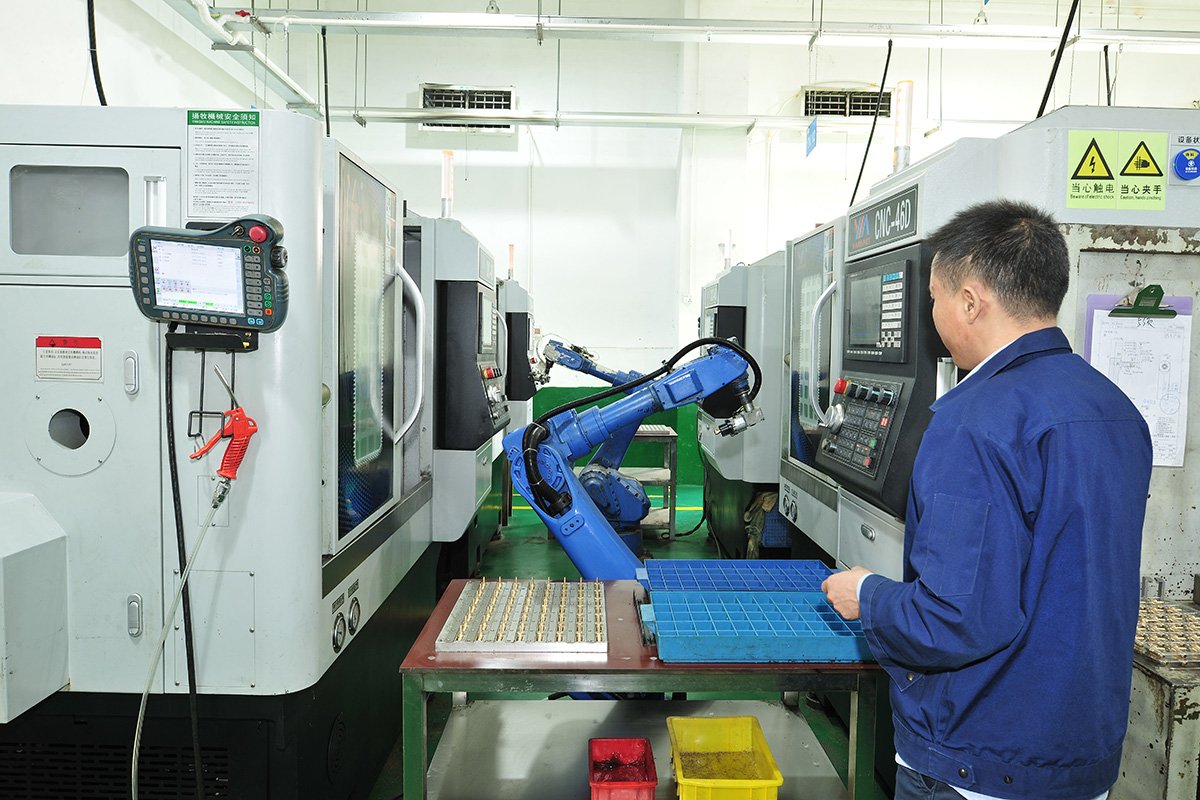
Computer-controlled programming minimizes human error and maintains consistency — an essential factor for OEM production and international quality compliance (ISO 9001, IATF 16949, etc.).
CNC Machining Processes for Hydraulic and Pneumatic Components
Different CNC machining processes are applied depending on the type and function of the component.
1. CNC Turning
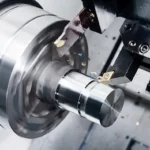
CNC turning is widely used for cylindrical parts, such as:
- Hydraulic pistons and rods
- Valve spools
- Pneumatic connectors and fittings
Using multi-axis lathes, these parts can be machined with high concentricity and smooth surface finishes, ensuring efficient sealing and minimal wear.
2. CNC Milling
CNC milling is ideal for producing complex parts like valve bodies, manifolds, and pump housings.
Multi-axis milling enables drilling, pocketing, and contouring operations to be performed in a single setup, improving precision and reducing production time.
3. Drilling and Tapping
Precise holes, threads, and ports are critical in hydraulic and pneumatic systems. CNC drilling and tapping ensure perfect alignment and thread depth, preventing potential leaks and assembly issues.
4. Grinding and Finishing
After CNC machining, some components undergo grinding or polishing to achieve the required surface roughness and dimensional tolerance. This is especially important for hydraulic pistons and valve spools, which need flawless finishes for optimal performance.
Typical CNC-Machined Hydraulic Components
Here are some examples of hydraulic components commonly produced using CNC machining:
| Component | Function | Common Material |
|---|---|---|
Hydraulic Valve Block |
Controls and directs fluid flow |
Aluminum, Steel |
Cylinder Head |
Seals hydraulic cylinder ends |
Carbon Steel |
Piston Rod |
Converts fluid pressure into motion |
Chrome-plated Steel |
Pump Housing |
Contains and supports internal parts |
Cast Iron, Aluminum |
Fittings & Couplings |
Connect pipes and hoses |
Brass, Stainless Steel |
These parts demand dimensional accuracy, smooth surfaces, and reliable performance under high pressure.
Typical CNC-Machined Pneumatic Components
Pneumatic components are often smaller and lighter but equally require precision manufacturing.
| Component | Function | Common Material |
|---|---|---|
Pneumatic Manifold |
Distributes compressed air |
Aluminum, Brass |
Air Cylinder Body |
Houses piston and seals |
Aluminum Alloy |
Valve Housing |
Controls airflow direction |
Stainless Steel |
Quick Connector |
Enables rapid connection/disconnection |
Brass |
End Cap |
Closes and supports cylinder body |
Aluminum |
CNC machining ensures these components maintain airtight sealing and resistance to corrosion.
Benefits of CNC Machining for Hydraulic and Pneumatic Manufacturers
| Benefit | Description |
|---|---|
High Precision |
Guarantees fit, sealing, and system efficiency. |
Design Flexibility |
Allows customization for special hydraulic/pneumatic applications. |
Rapid Prototyping |
Enables fast testing of new designs before mass production. |
Cost Efficiency |
Reduces waste and rework compared to manual machining. |
End Cap |
Closes and supports cylinder body |
Applications Across Industries
CNC-machined hydraulic and pneumatic components are essential in various fields, including:
- Automotive – brake systems, power steering, suspension systems.
- Aerospace – flight control actuators, landing gear hydraulics.
- Industrial automation – robotic arms, assembly line actuators.
- Construction machinery – excavators, cranes, and loaders.
- Agricultural equipment – tractors, sprayers, harvesters.
Each industry demands high durability, and CNC machining ensures these components perform reliably even under extreme conditions.
Quality Control and Inspection
In the hydraulic and pneumatic sectors, quality control is non-negotiable. CNC manufacturers implement strict inspection procedures such as:
- CMM (Coordinate Measuring Machine) inspection for dimensional accuracy.
- Surface roughness testing for smoothness.
- Pressure and leakage tests for assembled components.
These processes guarantee that every machined part meets engineering and performance requirements.
Conclusion
Hydraulic and pneumatic components form the backbone of countless mechanical systems, ensuring motion, control, and efficiency in industrial operations. As these systems evolve toward higher precision and performance, CNC machining continues to be the most reliable and effective manufacturing solution.
By offering exceptional accuracy, material flexibility, and consistency, CNC machining enables the production of hydraulic and pneumatic components that meet the highest industry standards. Whether it’s a hydraulic valve block, pneumatic manifold, or customized actuator housing, precision CNC manufacturing ensures your components perform flawlessly — every time.
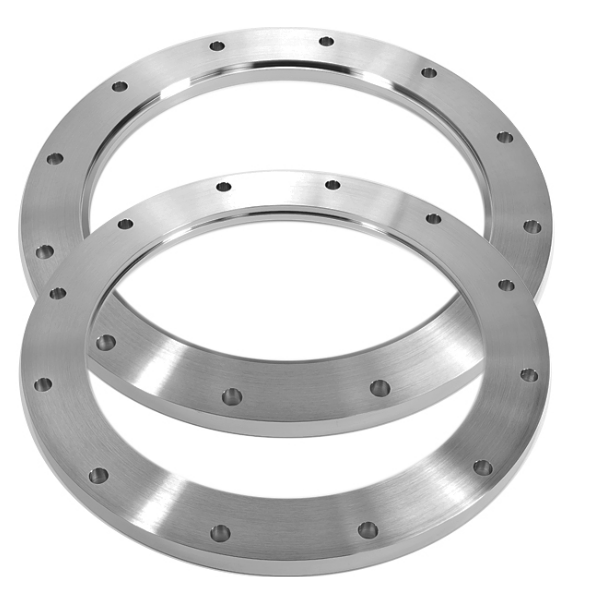
Complete Guide to Understanding Pipe Flanges
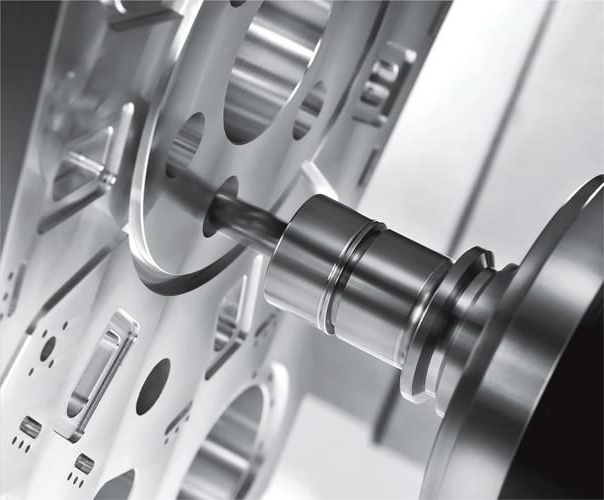
Advanced CNC Machining for Automotive and Industry