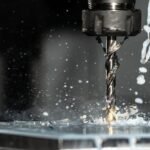
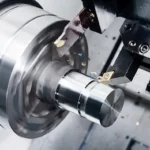
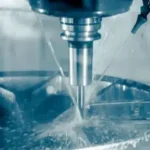
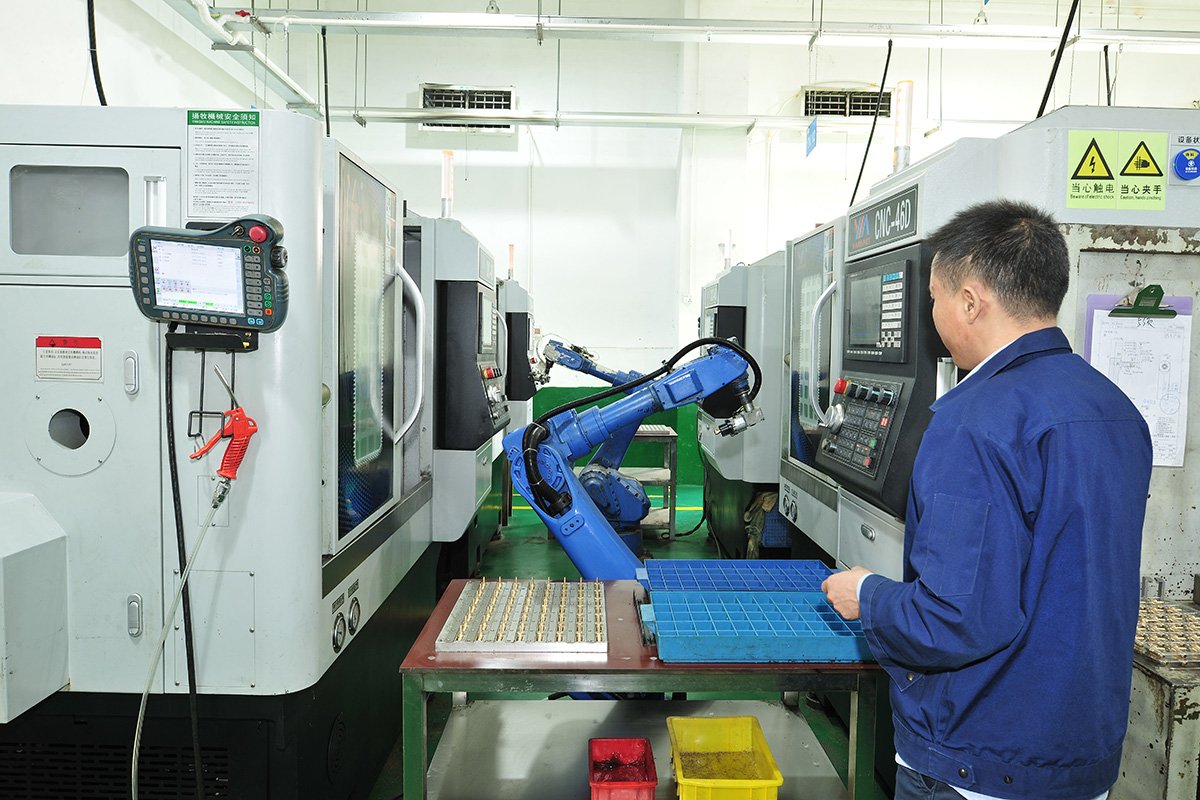
In today’s world of advanced manufacturing, CNC machining has become the cornerstone of precision, reliability, and consistency. As industries continue to push the limits of performance, the demand for high-precision components—from aerospace gears to medical parts—has never been higher.
To achieve such accuracy and durability, several specialized processes are combined within CNC manufacturing, including precision grinding, mirror finishing, black oxide coating, chemical film treatment (Alodine), and complex part machining. Together, these processes ensure that every component meets the exact specifications for its intended use.
The Role of Precision Grinding in CNC Machining
Precision grinding is one of the final and most critical steps in CNC manufacturing. After milling or turning, components often require ultra-tight tolerances and superior surface smoothness that cutting tools alone cannot achieve. Grinding bridges this gap.
Through abrasive wheels and controlled feed rates, CNC grinders remove minute layers of material—often measured in microns—to ensure that each part’s geometry and surface finish meet stringent requirements.
Key benefits of precision grinding include:
- Tight tolerances: Achievable within ±0.001 mm.
- Improved surface integrity: Reduces stress concentrations and improves fatigue life.
- Perfect alignment: Especially crucial for shafts, bearings, and gear assemblies.
Industries such as aerospace, medical equipment, and automotive transmission systems rely heavily on precision grinding to guarantee reliable performance under extreme conditions.
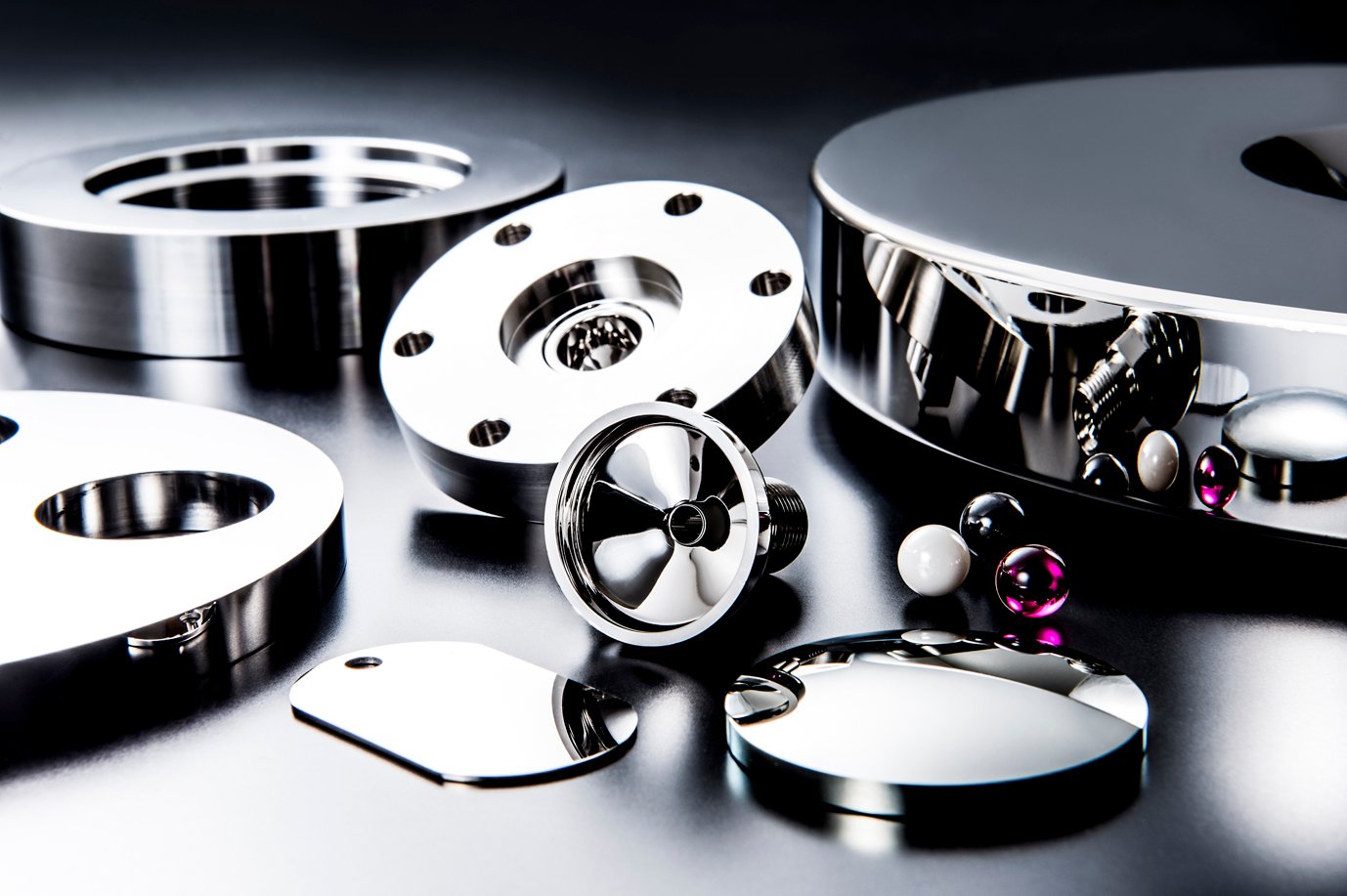
Mirror Finish: The Art of Perfection
A mirror finish—also called a high-gloss or reflective finish—is more than just aesthetics. It’s a functional surface treatment that enhances both appearance and performance.
In CNC machining, mirror finishing typically involves fine polishing and buffing after grinding or lapping. The result is a smooth, reflective surface that minimizes friction, resists corrosion, and prevents material buildup.
Applications include:
- Optical components
- Injection mold cavities
- Medical implants
- Luxury metal packaging and decorative parts
Achieving a true mirror finish requires not only skill but also advanced polishing compounds and inspection systems. When combined with precision CNC milling, it ensures both dimensional accuracy and visual perfection.
Industrial Gears: Precision Components That Power Machinery
No mechanical system can function without gears, and industrial gears demand the highest level of CNC machining accuracy. From spur gears to helical and bevel gears, CNC gear cutting and grinding ensure smooth torque transmission and quiet operation.
Modern CNC gear manufacturing includes:
- Gear hobbing and shaping
- CNC grinding for fine profiles
- Heat treatment and surface finishing
Precision is crucial because even the slightest deviation in tooth geometry can lead to vibration, wear, and failure. That’s why CNC-controlled grinding and finishing processes are essential to guarantee long-term performance in demanding sectors such as robotics, wind turbines, and heavy equipment.
Black Oxide Coating: Enhancing Durability and Appearance
Black oxide—also known as blackening—is a chemical surface treatment that provides mild corrosion resistance and a sleek, professional appearance. It’s especially common for steel and stainless-steel CNC parts.
This process creates a thin magnetite (Fe₃O₄) layer on the metal surface, improving wear resistance and reducing light reflection.
Benefits include:
- Enhanced corrosion protection
- Dimensional stability(coating adds almost no thickness)
- Improved lubrication retention
- Aesthetic uniformity
Black oxide is often applied after grinding or machining to protect gears, fasteners, and precision tools without altering their dimensional accuracy—an important advantage in CNC component production.
Chemical Film (Alodine): Reliable Protection for Aluminum Parts
When it comes to aluminum components, chemical film coating, commonly known as Alodine, is a go-to finishing process. It provides corrosion resistance while maintaining electrical conductivity—making it ideal for aerospace, defense, and electronics industries.
Unlike anodizing, Alodine creates a thin, chromate-based conversion layer that enhances paint adhesion and prevents oxidation. It’s often used as a pre-treatment before painting or powder coating.
CNC-machined aluminum parts benefit from Alodine finishing because:
- It maintains tight tolerances
- It improves surface bonding for coatings
- It ensures long-term durability in harsh environments
The result is a part that not only meets mechanical requirements but also maintains a clean, professional surface finish.
Complex Part Machining: Where CNC Technology Excels
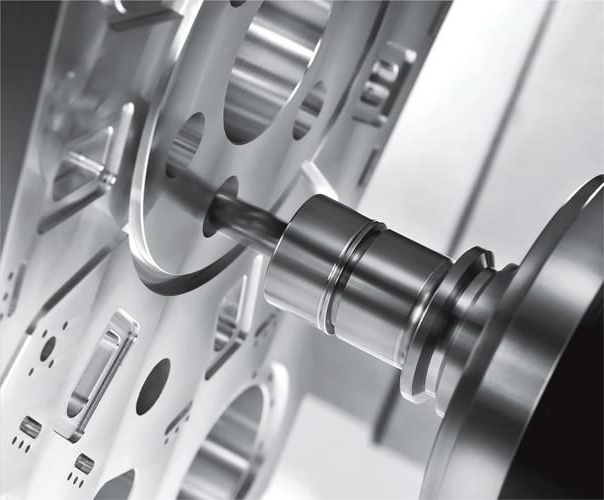
CNC machining’s greatest advantage lies in its ability to create complex geometries that would be impossible—or highly inefficient—to produce using traditional methods.
Through multi-axis CNC machines, intricate designs with tight tolerances and compound angles can be produced with consistency across large production runs.
Examples of complex part machining include:
- Aerospace turbine blades
- Medical prosthetic components
- Automotive engine housings
- Precision molds and dies
Advanced CAM programming and digital twin simulations ensure that even complex parts maintain accuracy throughout the entire production process. This precision not only reduces waste but also shortens lead times and lowers total production costs.
Integrating Advanced Surface Finishes into CNC Production
Modern CNC manufacturing doesn’t stop at cutting and shaping metal—it integrates finishing processes like grinding, polishing, coating, and chemical treatment into a unified production workflow.
This integration ensures:
- Consistent quality control from raw material to final inspection
- Faster turnaround through in-house finishing capabilities
- Cost efficiency by minimizing outsourcing and rework
- Enhanced product lifespan through tailored surface engineering
By combining precision machining with advanced finishing technologies, manufacturers can deliver parts that meet both functional and aesthetic standards—something that customers in high-end industries expect.
Why Surface Finishing Matters in CNC Machining
While machining defines a part’s shape, surface finishing defines its performance. A component’s finish affects its:
- Wear resistance
- Friction coefficient
- Corrosion protection
- Fatigue life
- Visual appeal
Processes like mirror polishing, black oxide, and Alodine ensure that each CNC component not only fits perfectly but also performs reliably in real-world conditions.
Precision Beyond Machining
CNC machining is more than cutting metal—it’s the art of engineering perfection. From precision grinding and mirror polishing to protective coatings like black oxide and Alodine, every step contributes to a component’s performance, durability, and beauty.
As industries demand tighter tolerances and more sophisticated designs, the integration of advanced surface finishing within CNC manufacturing will continue to define the future of precision engineering.
Complete Guide to Understanding Pipe Flanges
Advanced CNC Machining for Automotive and Industry